

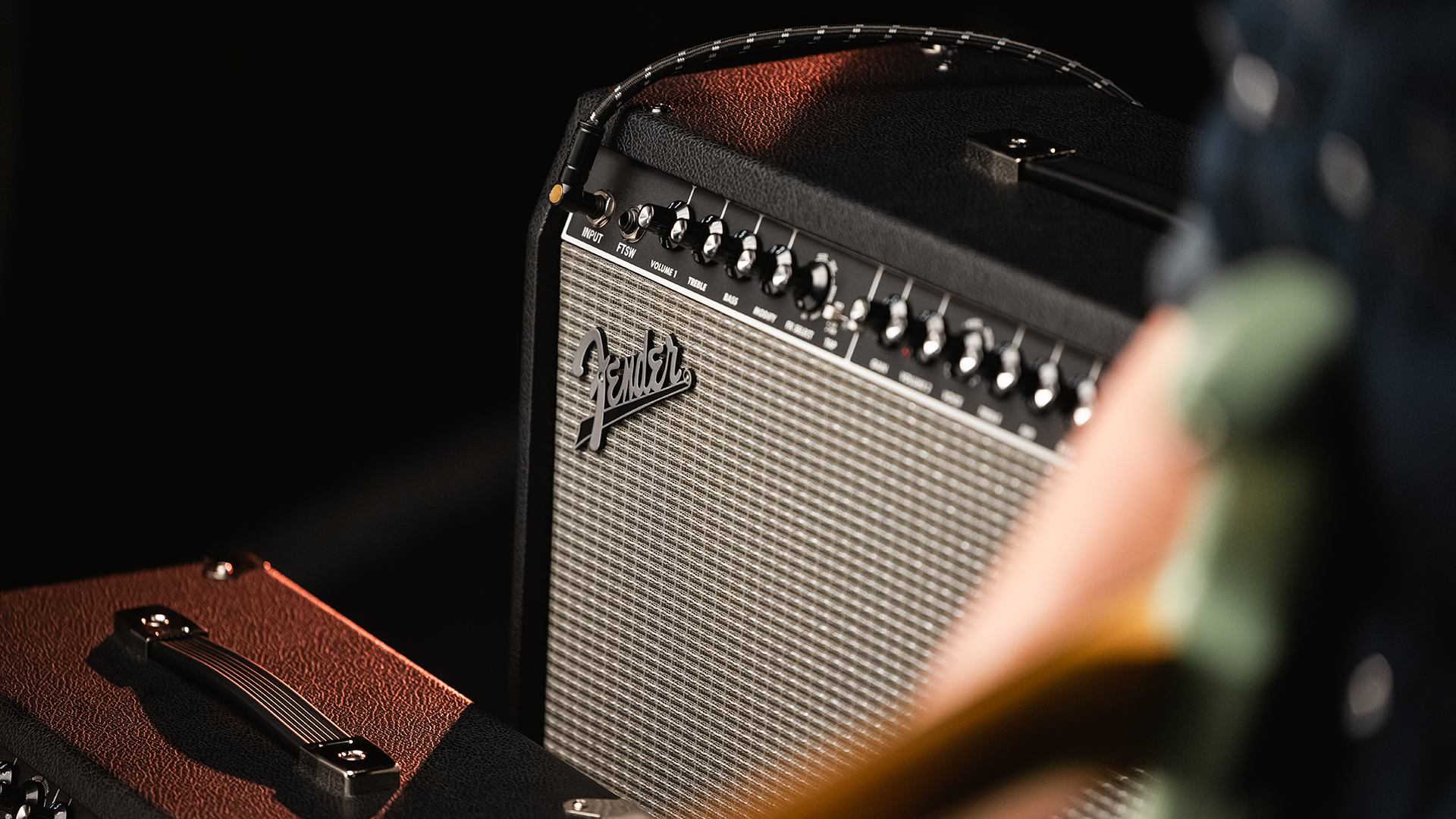
Guitar Amplifiers: How to Choose the Right Combo Amp and Understand Their Differences
A guitar amplifier – often simply called a combo amp – is one of the most crucial elements in an electric guitar's sound. While the guitar itself determines the tonal direction, it is the amplifier that gives the sound body, dynamics, character, and volume headroom. Let's be honest: even an expensive guitar will sound weak if connected to an unsuitable or poorly chosen amplifier. Therefore, understanding how different combo amps work and what distinguishes them is very important for both beginners and experienced musicians.
In this article, we will clearly and without excessive technical jargon explain what a guitar amplifier consists of, what types are most popular, how their construction affects the sound, and how to practically choose a model according to your needs. We will use real models available on the market for examples, including Fender amplifiers available at Stage IQ, but only as contextual examples, not promotional content.
1. What a Guitar Amplifier Consists Of
Any guitar amplifier – whether a small practice combo or a large stage model – operates according to the same basic scheme. It consists of three main sound-shaping parts:
Preamp (Preamplifier)
This is the part that determines most of the tonal character: clean sound, overdrive, gain, EQ, and other aspects. This is where the overall guitar tone is formed. Whether you like a clean sound, a warm crunch, or a stronger drive – the preamp is responsible for it. Many amplifiers have built-in effects such as chorus, delay, or reverb, which are also considered part of the preamp section.
Power Amp (Power Amplifier)
This part not only amplifies the signal created by the preamp to speaker level but also influences the dynamic response. A more powerful power stage provides more headroom, allows you to increase the volume without distortion, and often gives the sound more "freedom." This is especially noticeable in tube amplifiers, but the power amp also plays a clear role in solid-state amps.
Speaker
The speaker is to an amplifier what an acoustic guitar is to a guitarist – it dramatically changes the tone. Different sizes provide different sounds:
- 8 inches – fast, sharper tone, more suitable for home and practice;
- 10 inches – more versatile, balanced sound;
- 12 inches – stage standard, deeper lows, more solid projection.
Therefore, two amplifiers with the same preamp but different speaker sizes can sound completely different.
2. Main Types of Guitar Amplifiers
Modern guitar combo amps can be divided into three main categories: digital, solid-state, and acoustic. Each has its advantages and most suitable uses.
Digital Amplifiers
Digital amplifiers are very versatile. They use modeling to emulate the character of different classic amplifiers. This is especially useful for beginners and those who want a wide range of tones in one device.
For example, the Fender Champion 25 is a well-known practical solution for home: simple controls, clean Fender tones, chorus, reverb, light overdrive. Meanwhile, the Fender Champion 50XL provides more power and a deeper bass response due to its 12-inch speaker – a more robust choice for rehearsal spaces or small stages.
Digital combo amps are suitable for various styles, as one device can create everything from clean to drive.
Solid-State Amplifiers
Solid-state amplifiers are characterized by reliability, lightness, and consistent sound quality. They require no maintenance, do not wear out like tubes, and are perfect for those who travel a lot, play in rehearsals, or want a stable tone.
One popular market example is the Fender Rumble 40. Although it is a bass amplifier, it clearly demonstrates the advantages of solid-state combos: powerful, clean, light, and very versatile. Such models are favored by musicians who want a clear sound and simple operation.
Acoustic Guitar Amplifiers
An acoustic guitar requires a completely different amplifier than an electric one. Acoustic amplifiers are designed for natural tone reproduction, amplifying the instrument without coloring it. Many of them have two channels – for guitar and vocals.
The Fender Acoustic Junior Go is a good example for performers who play acoustic guitar and sing. It has a rechargeable battery, so you can play anywhere – from a park to an event without electricity. Such amplifiers are especially convenient for mobile performers.
3. How to Choose the Right Combo Amp Power
One of the most common mistakes is choosing too much power for home use. Power determines not only loudness but also sound headroom. At home, rarely do you need more than a 20–30 W solid-state or digital amplifier.
- 15–25 W – suitable for home and individual practice.
- 30–50 W – a good choice for band rehearsals.
- 50 W+ – for small stages, events.
Also remember: a 12-inch speaker will provide more bass and projection, so sometimes even a lower-wattage amplifier can sound "fuller" than a higher-wattage model with a smaller speaker.
4. Common Mistakes When Choosing a Guitar Combo Amp
- Too much power for home. An amplifier will sound best when it "breathes," not at very low volumes.
- Too small a speaker for rehearsals. 8-inch speakers often don't fill a room.
- Confusing digital and solid-state amplifiers. These are different technologies with different tonal philosophies.
- Underfinancing the tone. Some musicians choose only by wattage, not by tone.
- Not trying it live. Documentation and videos cannot replace the impression from a real speaker.
5. Why You Should Try an Amplifier Live
Amplifiers are not universal – two people can play the same model but sound completely different. The differences are determined by playing dynamics, guitar type, effects, and even string choice. Therefore, the best way to understand if an amplifier is right for you is to listen with your own ears.
At the Stage IQ showroom, you can try various combo amps live with your own guitar or with instruments available on-site. This helps to clearly understand the real sound, not just theoretical parameters.
Where to Find Stage IQ
Visit our showroom and compare different guitar amplifiers:
Stage IQ
Baltupio g. 71A, Vilnius


